When I started working on this project with Ranjeet Tayi’s team at Informatica, there was little reference for how an application using AI should look like (that too enterprise application).
Don’t get me wrong: AI was already being used in various capacity and for various functionalities much before the release of ChatGPT, Claude etc. We had recommendation models, intelligent categorisations, machine learning algorithmns working tirelessly to surface most relevant consumer products, Youtube videos, movies, fashion accessories for us. The AI then was more inconspicous and subtle and rightly so because the UI retained it familiarity and AI was only given limited access to its content (what shows and what does not).
With the advent of Gen-AI as we know it, things have changed drastically. AI can not just influence the content of an application but also its building blocks (layouts, components, underlying business logic, program logic, etc.). This newfound power is what has captured the imagination of every business leader, designers, developers, etc. in the world and that has led to the hype that often translates to product managers uttering ‘lets use AI in our application’.
But what does it mean to use AI in an application and how is it different from how we used it before? How has the ontological identity of AI changed wrt to user experience and what constitutes the role of design to make it feel more natural, trustworthy and less ambiguous? These were the questions that propped before me and my team at the beginning of this project.
Before I dive deeper, I would like to mention that this project was a joint effort between me and Ranjeet’s super-talented team of designers: Prashant Bhandare, Vahn Phan, Jill Blue Lin, under the guidance of Wai on Lee & people from product management like Gaurav Pathak, Sidhartha Bardoloye, Vishwanath Belur, Samiran Karmakar, and ML engineers under the leadership of Vishal Balagangadhar and Suresh Bathini. It was my honor and priviledge to work with them in creating an industry first product from scratch.
A little bit about the ‘new’ AI
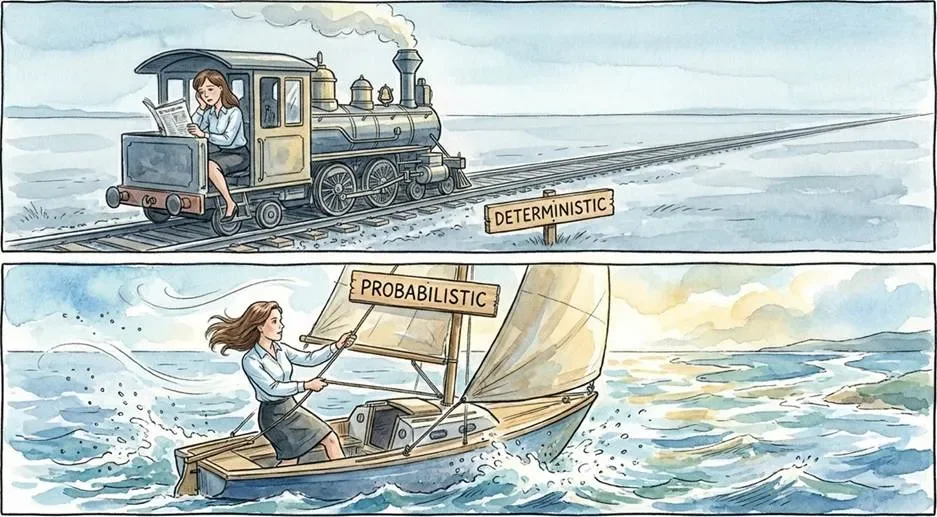
While AI is not a knew concept in the software world, recent developments in this field has increased the scope and purpose of this technology. What starts as programmable logic, grew into pattern finding intelligence in large datasets and now has the capability to converse with the user using natural language. Gen-AI is a special capability of an AI engine to learn from vast amounts of literature and generate creative outputs. Hence, the roles and responsibilities of an AI-enabled system have augmented to an AI-assisted system where the AI assumes a more frontal role.
Evolution of text-editing capabilities with AI
About the Business
Informatica (NYSE: INFA), is an enterprise cloud data management leader, who have created a new category of software, the Informatica Intelligent Data Management Cloud (IDMC), powered by Al and an end-to-end data management platform that connects, manages and unifies data across virtually any multi-cloud, hybrid system, democratising data and enabling enterprises to modernise their business strategies. Customers in approximately 100 countries and 86 of the Fortune 100 rely on Informatica to drive data-led digital transformation.
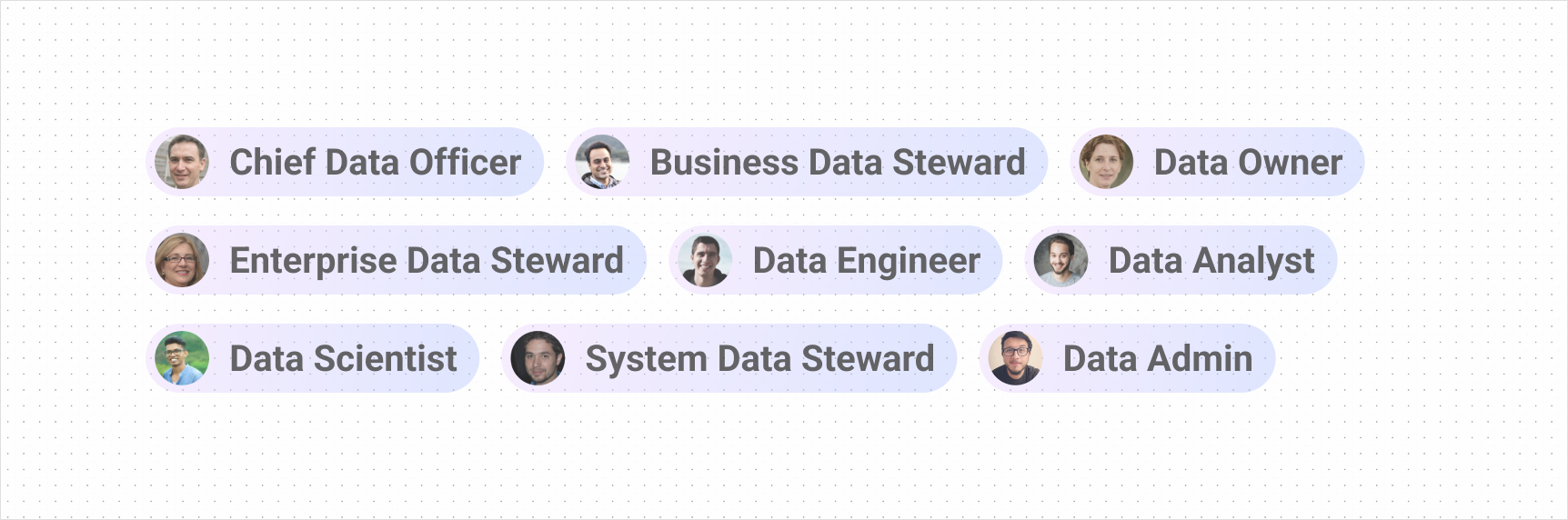
Works for All: Works well for both technical user personas (like Data Steward, Data scientists, Data Engineers, etc.) as well as non-technical user personas (like Business Data Analysts, Business Leaders, etc.)